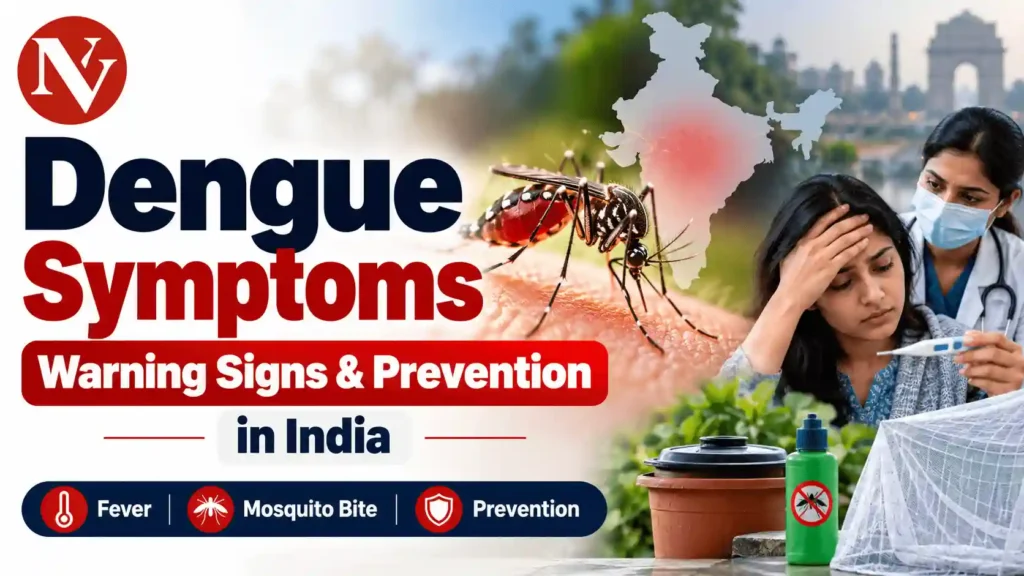
A sudden high fever, severe headache, and body pain might seem like a regular viral infection. But during India’s monsoon and post-monsoon months, these symptoms could also indicate dengue.
Dengue is a common mosquito-borne illness in India. While most people recover with proper care, some develop serious complications that require immediate medical attention.
One important thing families should remember is that dengue can become dangerous even after the fever starts going down.
Understanding the early symptoms, recognising warning signs, and preventing mosquito breeding can make a real difference.
What Is Dengue and How Does It Spread?
Dengue is a viral infection that spreads mainly through the bite of an infected Aedes aegypti mosquito.
Unlike mosquitoes that are most active at night, dengue-carrying Aedes mosquitoes commonly bite during the daytime, particularly in the early morning and late afternoon.
These mosquitoes often breed in stagnant water found around homes.
In Indian households, common breeding spots include desert coolers, buckets, flowerpot trays, uncovered water tanks and discarded tyres.
Even a small amount of standing water can provide a breeding place for mosquitoes.
Dengue does not normally spread through hugging, sharing food, or ordinary contact with an infected person.
Early Dengue Symptoms to Watch For
Dengue symptoms usually develop around four to ten days after a person is bitten by an infected mosquito.
However, not everyone experiences noticeable symptoms.
Common Dengue Symptoms in Adults and Children
Some of the most common dengue symptoms include:
- Sudden high fever
- Severe headache
- Pain behind the eyes
- Muscle and joint pain
- Nausea or vomiting
- Unusual tiredness and weakness
- Skin rash
Children may also become less active, irritable or unwilling to eat and drink.
These symptoms can resemble other infections, including seasonal viral fever and chikungunya.
That is why families should not try to confirm dengue based on symptoms alone.
India’s National Centre for Vector Borne Diseases Control provides official information about dengue symptoms and complications.
Dengue Warning Signs: When to Seek Emergency Medical Care
Most dengue infections do not become severe. However, some patients can develop internal bleeding, circulation problems or damage to important organs.
Recognising the warning signs early is essential.
Seek immediate medical attention if a person with suspected or confirmed dengue develops:
- Severe or persistent stomach pain
- Repeated vomiting
- Bleeding from the nose or gums
- Blood in vomit or stools
- Difficulty breathing or rapid breathing
- Extreme weakness, unusual sleepiness or restlessness
- Cold, pale or clammy skin
These symptoms should never be ignored, even if the person appears to be recovering.
Why Falling Fever Does Not Always Mean Recovery
Many families feel relieved when a patient’s fever begins to decrease.
However, according to the World Health Organization, warning signs of severe dengue often appear after the fever has subsided.
This critical period may begin around the third to seventh day of illness.
A patient whose temperature has returned to normal may still need close monitoring.
If warning signs appear, do not wait for another blood test or attempt home treatment. Visit the nearest emergency department immediately.
When Should You See a Doctor and Get Tested for Dengue?
Anyone experiencing symptoms that suggest dengue should consult a qualified doctor promptly, especially if dengue cases have been reported nearby.
Doctors may recommend blood tests depending on how long the patient has been unwell.
Common dengue investigations include:
- NS1 antigen test: Helps detect dengue infection during the early days of illness.
- IgM antibody test: Helps identify a recent dengue infection, usually becoming more useful several days after symptoms begin.
- Complete Blood Count (CBC): Checks platelet levels, haematocrit and other blood measurements that help doctors monitor the patient’s condition.
A negative test early in the illness does not always rule out dengue.
The CDC’s dengue testing guidance explains why the timing of testing matters.
Medical treatment should not be delayed while waiting for laboratory results.
Dengue Treatment: What Families Can Do at Home
There is currently no specific antiviral medicine routinely used to cure dengue. Treatment mainly focuses on managing symptoms, maintaining hydration and preventing complications.
Patients with mild dengue may recover at home if a doctor determines that hospital care is unnecessary.
The following precautions can help:
- Get adequate rest and avoid strenuous activity.
- Drink water and other suitable fluids regularly.
- Use oral rehydration solution (ORS) when recommended.
- Monitor fever, vomiting, fluid intake and urine output.
- Attend follow-up appointments and blood tests as advised.
If the patient cannot drink enough fluids, passes very little urine or becomes increasingly weak, seek medical assessment promptly.
Medicines and Mistakes to Avoid
Paracetamol may be used for fever and pain according to medical advice.
However, avoid aspirin and ibuprofen, as these medicines can increase the risk of bleeding in dengue patients.
Do not start antibiotics, steroids or other medicines without a doctor’s recommendation.
Families should also avoid relying on papaya leaf juice, herbal mixtures or products claiming to raise platelet counts quickly. Such remedies are not proven substitutes for appropriate medical care.
Severe dengue requires hospital treatment.
How to Prevent Dengue at Home
Preventing mosquito breeding is one of the most effective ways to reduce dengue risk.
A few small household habits can help protect the entire family.
Remove Standing Water Every Week
Check places where water may collect.
Empty, scrub and dry desert coolers before refilling them. Clean flowerpot trays, buckets and containers regularly.
Keep overhead water tanks properly covered.
Do not allow rainwater to collect in old tyres, broken containers or unused household items.
Protect Your Family From Mosquito Bites
Wear full-sleeved clothing and long trousers when practical.
Use suitable mosquito repellents according to product instructions, especially for children.
Install window screens and use mosquito nets when sleeping during the day.
Remember that daytime protection matters because Aedes mosquitoes are active during daylight hours.
Keep Your Surroundings Mosquito-Free
Dengue prevention should not stop at your front door.
Check balconies, rooftops, common areas and nearby surroundings for stagnant water.
If your apartment building has water collecting in shared spaces, inform the maintenance team or residents’ association.
The government’s dengue prevention guidelines also recommend weekly cleaning of coolers and water containers.
Mosquito sprays and fogging may help control adult mosquitoes, but removing breeding sites remains essential.
Who Needs Extra Care During Dengue?
Dengue can become serious at any age, but certain people may need closer medical monitoring.
These include infants, young children, pregnant women, older adults, and people with significant existing health conditions.
People who have previously had dengue may also face a greater risk of severe illness during a subsequent infection.
Families should discuss appropriate monitoring and follow-up with their doctor rather than relying only on home remedies or blood reports.
Frequently Asked Questions
Can Dengue Spread Directly From One Person to Another?
Dengue does not normally spread through everyday physical contact, sharing meals or living in the same house.
It spreads mainly through infected mosquitoes. Protecting a dengue patient from further mosquito bites also helps reduce the risk of mosquitoes transmitting the virus to others.
Does a Low Platelet Count Always Mean Severe Dengue?
No. A falling platelet count needs medical monitoring, but it does not automatically mean a person has severe dengue.
Doctors assess several factors, including bleeding, blood pressure, haematocrit, warning signs and overall condition.
A platelet count alone cannot determine whether someone needs hospitalisation or a platelet transfusion.
Can Someone Get Dengue More Than Once?
Yes. There are four main types of dengue virus.
Recovering from one type does not provide lifelong protection against the other types. A second infection can sometimes carry a higher risk of severe dengue.
Conclusion
Dengue prevention begins with simple habits at home, but recognising symptoms and warning signs is equally important.
If someone in your family develops a suspicious fever, seek medical advice early. Never ignore severe symptoms just because the fever is improving.
For more health awareness articles and practical information for Indian families, visit News Vocal.
Medical disclaimer: This article is for general health awareness and does not replace professional medical advice, diagnosis, or treatment. Seek immediate medical care for dengue warning signs.